+91 9786739966
 amazefox09@gmail.com
+91 9786739966
amazefox09@gmail.com
amazefox09@gmail.com
+91 9786739966
amazefox09@gmail.com

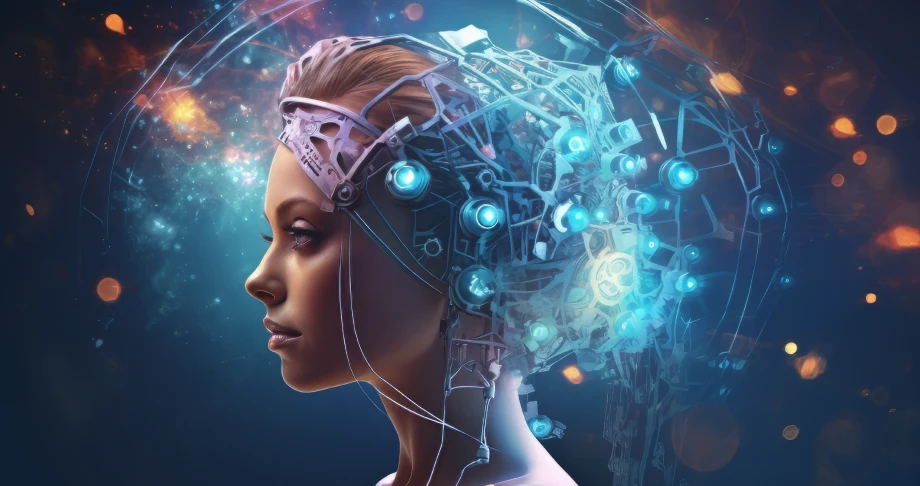
Artificial Intelligence (AI) is revolutionizing our daily interactions with technology. Whether it's voice assistants like Siri or recommendation systems on platforms like Netflix, AI is the driving force behind many of the tools we use today. But one area where its impact is becoming more visible is in UI/UX design. Designers and developers are now using AI to create better, faster, and more personalized digital experiences. This blog will explore how AI is influencing UI/UX design, the tools being used, and the benefits it brings to users and businesses.
Before we dive into AI's role, it's important to understand what UI and UX mean:
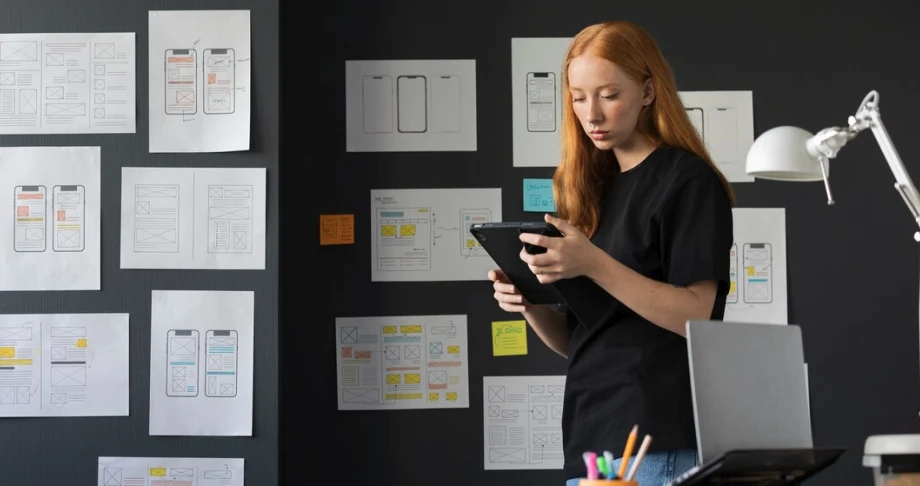
Together, UI and UX shape how people interact with websites, apps, and software. A good UI/UX design helps users complete tasks easily and enjoyably.
AI in UI/UX design is not about replacing designers but helping them work more efficiently. Here are some major ways AI is making a difference:
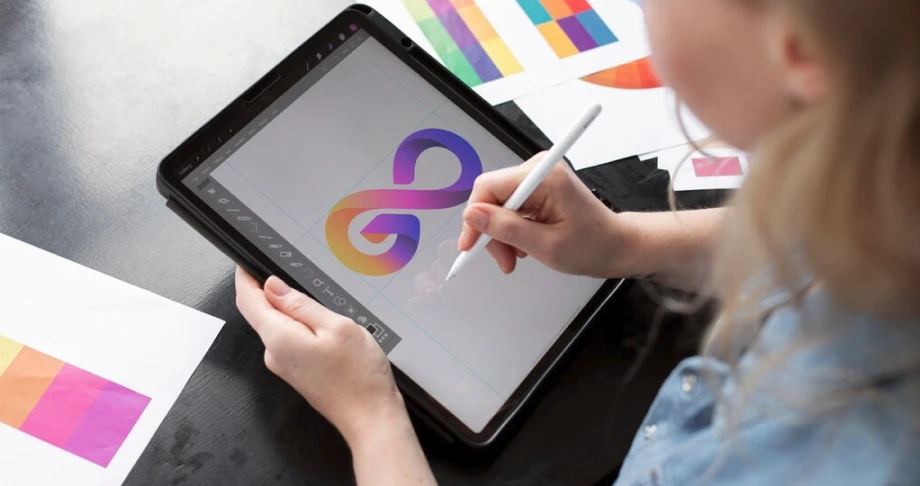
AI in UI/UX design is not about replacing designers but helping them work more efficiently. Here AI tools can now analyze design patterns and user behavior to suggest layouts, fonts, or color combinations. Platforms like Adobe Sensei and Canva's Magic Design offer automatic recommendations that align with current design trends.
One of AI's strongest advantages is personalization. AI can collect and analyze data from users to understand their preferences, then show customized content or layouts. For example, an e-commerce site might show different product suggestions to different users based on their previous searches.
AI-powered chatbots enhance UX by offering instant support, reducing wait times, and solving common user problems. They can guide users through a process or answer FAQs, which improves satisfaction and saves time.
Voice interaction is growing rapidly. AI is behind the voice recognition that powers interfaces like Google Assistant or Alexa. Designers are now focusing on creating VUIs that feel natural and easy to use.
AI systems can predict what a user might do next. This helps designers build interfaces that anticipate user actions. For example, a news app might suggest stories similar to what the user has read before.
AI tools help create more inclusive designs. Features like text-to-speech, voice commands, or automated image captions make digital content easier to access for users with disabilities.
Several tools use AI to assist designers in their work:
These tools speed up the design process and reduce repetitive work, allowing designers to focus on creativity.
Using AI in UI/UX offers many advantages:
AI accelerates everyday tasks like resizing images, generating color palettes, and designing layouts. This lets designers spend more time refining ideas and solving real user problems.
AI helps designers make informed choices by analyzing user data. This leads to smarter designs that are more aligned with user expectations.
AI streamlines routine tasks such as image resizing, color palette generation, and layout creation. AI helps create these kinds of experiences.
For businesses, AI makes it easier to scale design efforts. For example, changing a design across 100 web pages can be automated, saving time and effort
Although AI offers numerous advantages, it also comes with its own set of challenges.
AI will not replace designers, but it will become an essential part of their toolkit. In the future, design teams will probably collaborate with AI systems to…
With the continued progress of AI, the distinction between human and machine creativity will grow ever more subtle. Designers will have more power to create experiences that are bothbeautiful and meaningful.
We hope these questions and answers guide you in choosing the right web design partner for your business’s digital transformation. If you have any more questions, feel free to reach out!

AI enhances UI/UX by analyzing user behavior, automating repetitive tasks, offering personalized content, improving accessibility, and predicting user needs to create smoother digital experiences.
AI is reshaping the world of UI/UX design. It helps create smarter, faster, and more personalized user experiences. While it's important to understand its limitations, AI's role in modern design is growing and here to stay. For designers and businesses alike, embracing AI means staying ahead in a competitive digital world.

Email us
support@amazefox.com

+91 9786739966

Teams
nikilfox / amazefox
By embracing these innovations thoughtfully, UI/UX professionals can continue to shape the future of user-centered design.


Copyright 2025 © www.amazefox.com. All Rights Reserved.