+91 9787303699
 contact@amazefox.com
+91 9787303699
contact@amazefox.com
contact@amazefox.com
+91 9787303699
contact@amazefox.com
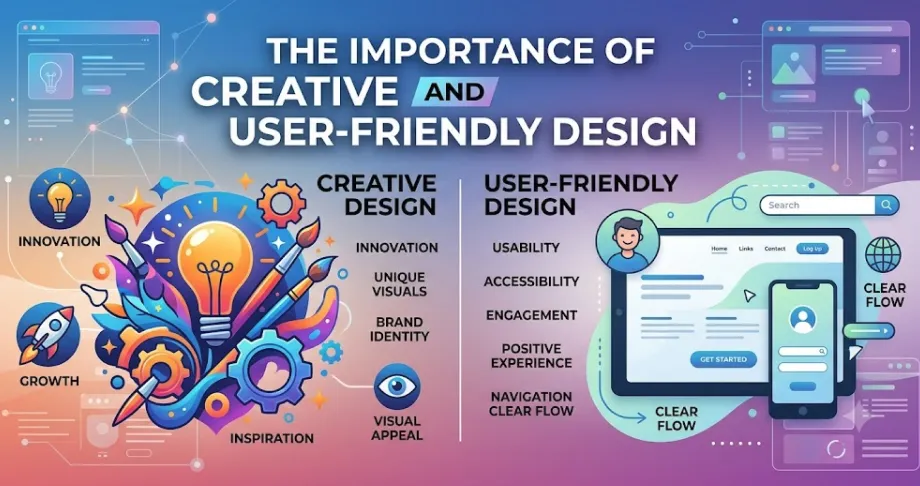
Design is an important part of how people see, understand, and interact with visual content. A good design is
not only about making something look attractive. It is also about communicating ideas clearly and creating an
easy and enjoyable experience for the user.
Creative and user-friendly design combines visual appeal with functionality. When these two elements work
together, they can make content more engaging, memorable, and effective.
Creative design focuses on originality, visual appeal, and fresh ideas. It involves using elements such as
colors, typography, images, shapes, layouts, and illustrations to create a unique visual
experience.
A creative design should capture attention while communicating its message effectively. Creativity does not
simply mean adding more visual elements. It means using the right elements in a thoughtful way to create a
meaningful design.
User-friendly design focuses on simplicity, clarity, and ease of use. It allows people to understand
information and interact with visual elements without confusion.
A user-friendly design usually includes clear layouts, readable typography, appropriate spacing, consistent
design elements, and simple visual communication.
The main goal is to make the user's experience comfortable and effortless.
1. Captures Attention
People are naturally attracted to visually interesting content. Creative design can help capture attention
and encourage users to explore the content further.
Unique layouts, attractive visuals, and thoughtful design concepts can make a design more noticeable.
2. Creates a Strong Visual Identity
Design can help create a recognizable visual style. Consistent use of colors, fonts, shapes, imagery, and
other visual elements can make a design more distinctive.
A strong visual identity also helps create consistency across different types of content.
3. Improves Communication
Visual design can make complex information easier to understand. Instead of presenting information only through text, designers can use icons, illustrations, images, charts, and visual hierarchy to communicate ideas more effectively.
4. Creates Emotional Impact
Design can influence how people feel. Colors, typography, images, and layouts can create different emotions
and moods.
For example, a simple and balanced design may create a feeling of calmness, while bold colors and dynamic
layouts may create energy and excitement.
1. Makes Information Easier to Understand
A clear design helps users quickly identify important information. Proper spacing, headings, typography, and visual hierarchy can make content easier to scan and understand.
2. Reduces Confusion
Too many elements, complicated layouts, or inconsistent design choices can make an experience confusing. User-friendly design keeps the layout organized and focuses attention on what matters most.
3. Improves User Experience
When a design is easy to understand and interact with, users are more likely to have a positive experience. Simple and intuitive design makes interactions smoother.
4. Improves Accessibility
Good design should be comfortable for different types of users. Readable fonts, sufficient contrast, clear layouts, and properly organized information can make content easier for more people to access.
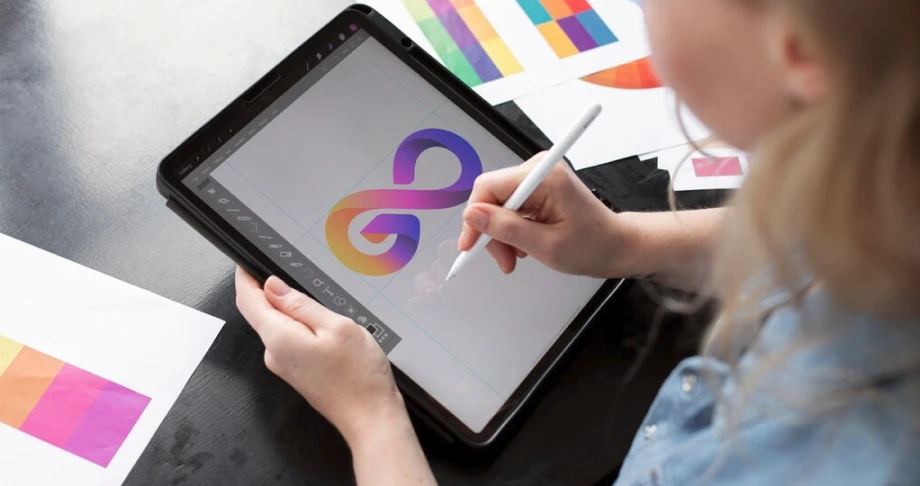
1. Color
Colors can influence attention, emotions, and visual hierarchy. Designers should select colors that work well together while maintaining readability.
2. Typography
Typography affects both appearance and readability. Choosing appropriate fonts, sizes, weights, and spacing can make content easier to read.
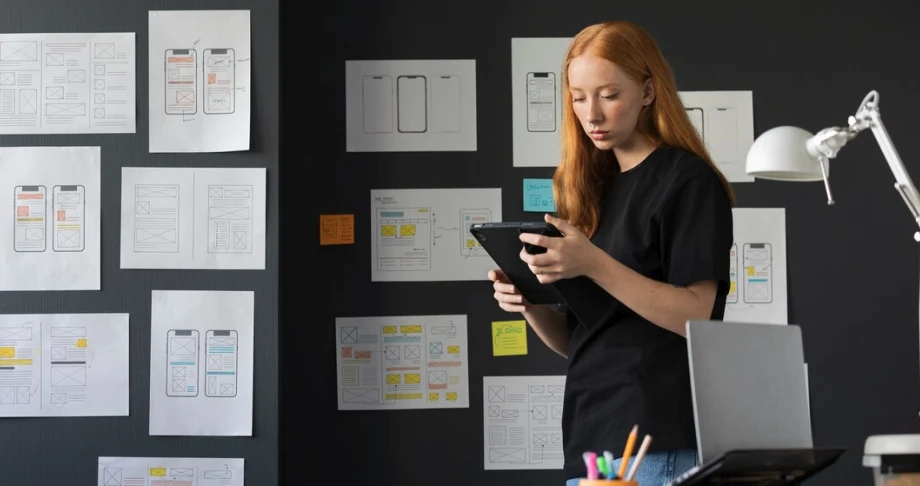
3. Layout
A well-organized layout helps users understand the relationship between different elements. Balanced spacing and proper alignment can create a clean and professional appearance.
4. Visual Hierarchy
Visual hierarchy helps users understand which information is most important. Size, contrast, position, spacing, and typography can be used to guide attention.
4. White Space
White space gives design elements enough room to breathe. It prevents a design from looking crowded and helps users focus on important information.
4. Consistency
Consistent colors, fonts, spacing, icons, and visual styles create a more organized and professional experience.
Creativity and usability should work together rather than compete with each other. A design may look
visually impressive, but if users cannot understand or interact with it easily, it may not be
effective.
Similarly, a design can be highly functional but fail to engage users if it lacks visual appeal.
The best approach is to find a balance between
creativity, clarity, functionality, and usability.
We hope these questions and answers guide you in choosing the right web design partner for your business’s digital transformation. If you have any more questions, feel free to reach out!

Creative design uses original ideas, colors, typography, images, and layouts to create attractive and engaging visual experiences.
Creative and user-friendly design is about more than making visuals attractive. It is about creating designs that communicate clearly, capture attention, and provide a positive experience.
By using effective colors, typography, layouts, visual hierarchy, spacing, and consistent design principles, designers can create experiences that are both beautiful and easy to understand.
Ultimately, the best design is one that looks good, communicates effectively, and puts the user's experience first.

Email us
support@amazefox.com

+91 9787303699

Teams
nikilfox / amazefox


Copyright 2025 © www.amazefox.com. All Rights Reserved.